

- TVAC testing for instruments, optics and micro-satellites
- Black body simulation down to 150 K
- Test items held from -120°C to +120°C
- Oil-free high vacuum pumping
- Autosys PLC control with full data logging
Thermal Vacuum Chambers for Space Simulation
Thermal vacuum testing, often shortened to TVAC, puts flight hardware under high vacuum and takes it through the temperatures it will see in orbit, while it runs and reports back. It’s how space hardware is qualified before launch. Intlvac Thin Film builds a range of thermal vacuum chambers for this work, along with a vacuum degassing system for preparing parts, and SiSTEM is Intlvac’s partner for the UK, Ireland and most of Europe.
What a thermal vacuum test does
In space there’s no air, so heat can’t move by convection. A part warms and cools by radiation, and by conduction through whatever it’s bolted to. A thermal vacuum chamber recreates that: it pumps down to high vacuum, then a temperature-controlled shroud and platen drive the test item hot and cold, usually through repeated cycles. The item is instrumented and powered throughout, so you can see whether it still works at each extreme and how it behaves between them.
Deimos TVAC1
Deimos confirms that equipment operates under space vacuum conditions. It’s suited to instruments, optics and micro-satellites. The chamber can simulate black body surface temperatures down to 150 K, the deep space environment, and test items can be instrumented and operating while held anywhere from -120°C to +120°C.
Phobos TVAC2
Phobos is a general-purpose space simulation system, with a 304 stainless steel chamber. It tests parts in a clean, dry-pumped high vacuum below 10-6 torr while simulating the thermal conditions of space.
Ares TVAC3
Ares is built for thermal cycling of components under high vacuum. The chamber is a horizontal cylinder with doors at both ends, so parts can be loaded from either side, and each system has a large selection of instrumentation ports. Pumping is oil-free. The shroud and platen are temperature-cycled, heat reaches the parts by black body radiation, and the internal shrouds are painted with a flat, aerospace-rated black coating.
Degassing parts before flight: Aether
Materials that are fine on the ground can release gas under vacuum and condense on optics or sensors in orbit. The Aether vacuum degassing system bakes small components under high vacuum, using thermal radiation, so they’re ready for space use. It’s designed for rapid, consecutive runs. The stainless steel chamber is 24″ (610 mm) inside diameter by 24″ deep, with a working area 15.75″ (400 mm) in diameter by 19″ (483 mm) deep. A large viewport with an explosion guard is fitted to the lid, which rests at 45° when opened, with pneumatic assist.
Control and data logging
Deimos, Phobos and Ares run on Intlvac’s Autosys PLC controller, housed in a separate controls rack. It handles pump-down, venting, temperature control, recovery after a power failure and the safety interlocks automatically. You work through a LabVIEW workstation with a 19″ screen, and every parameter is logged, to view in the built-in graphical log viewer or export to a spreadsheet. Aether is also PLC-controlled through a LabVIEW interface, with full data logging and remote operation.
Sizing a chamber for your test
Every TVAC system is configured around the test it has to run. To scope one, we’ll ask about the size and mass of the test item, the temperature range and how fast it needs to ramp, the vacuum level, how many cycles a test runs, and how the item is powered and monitored. Intlvac then confirms the chamber size, cooling method and performance at quotation.
Working with SiSTEM
SiSTEM is Intlvac’s partner for the UK, Ireland and most of Europe. We scope your system with you and Intlvac’s engineers, and stay your local contact through quotation, installation and after-sales. If you’re planning a thermal vacuum or degassing test, tell us what you’re testing and to what standard, and we’ll come back to you with Intlvac.
Thermal Vacuum and Degassing Systems
-
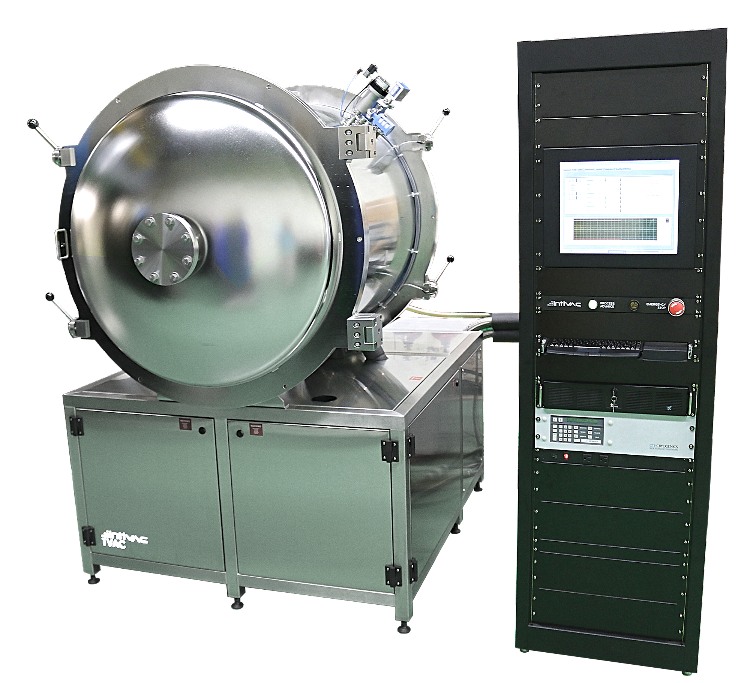
Deimos - TVAC1
-
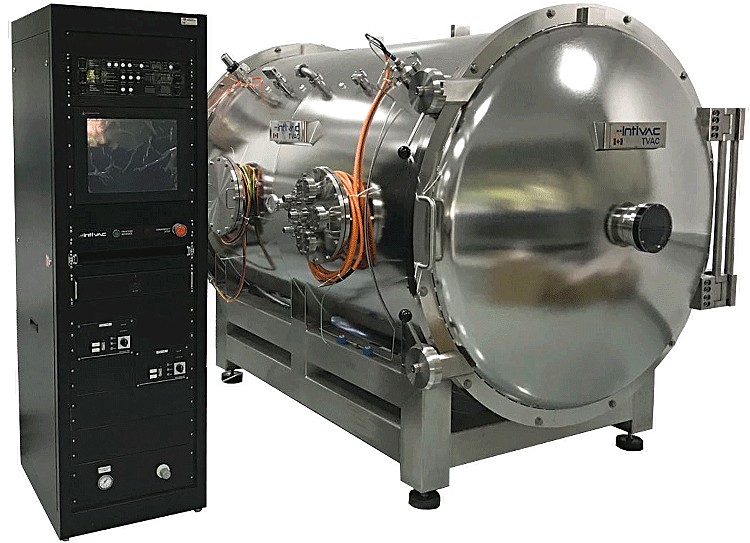
Phobos TVAC2 - Thermal Vacuum Chamber
- Midsize thermal vacuum test system
- 304 stainless steel chamber
- Dry-pumped high vacuum below 10-6 torr
- Simulated space vacuum and thermal conditions
- Autosys PLC control with full data logging
-
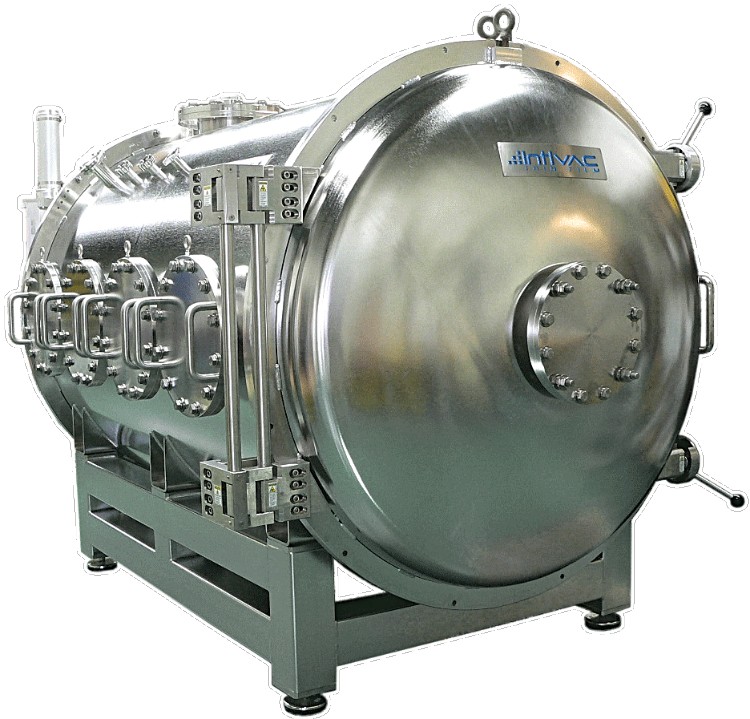
Ares - TVAC3 Thermal Vacuum Chamber
- Thermal cycling of components under high vacuum
- Horizontal chamber with doors at both ends
- Large selection of instrumentation ports
- Radiative heat transfer from a black-coated shroud
- Oil-free high vacuum pumping
-
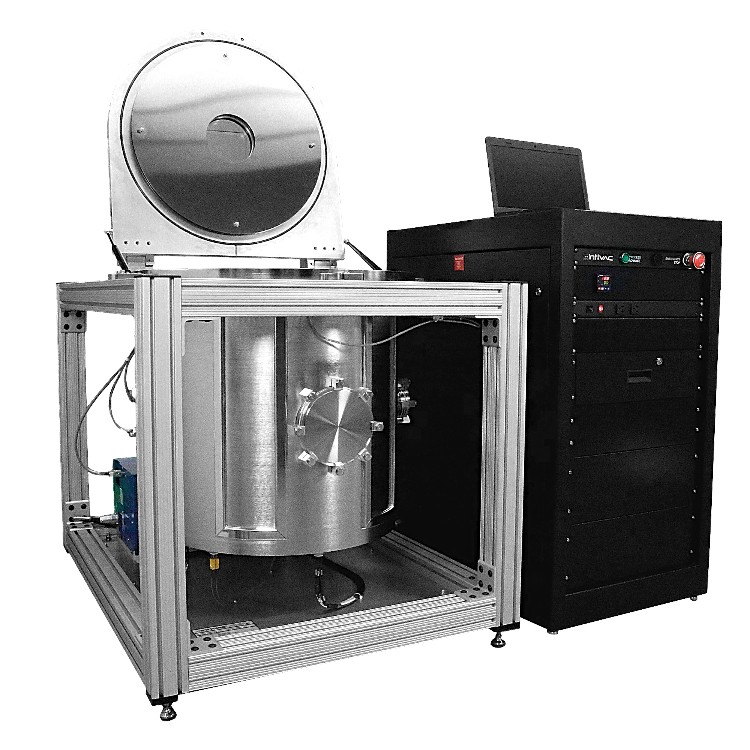
Aether Vacuum Degassing
- Vacuum degassing of small components for space use
- Baked by thermal radiation under high vacuum
- Working area 400 mm diameter by 483 mm deep
- Viewport with explosion guard; lid opens to 45°
- PLC control with data logging and remote operation